
Quality
Quality Control Essentials in Castor Processing
Quality in castor processing is not a final stamp on a finished drum. It is a sequence of decisions — starting with seed, continuing through crushing and handling, and ending with packing, sampling, and documentation. When any stage is weak, the buyer eventually feels it as variation, dispute risk, or delayed acceptance.
For NURATRADE MULTIBIZ PRIVATE LIMITED, quality is treated as an operating habit. That mindset is essential for domestic industrial supply and for export-oriented consignments where paperwork and consistency are judged as carefully as the product itself.
Pillar one: seed grade and inbound discipline
Everything begins with inbound material. Seed cleanliness, moisture, foreign matter, and overall grade directly influence oil yield, colour behaviour, and free fatty acid outcomes. Poor inbound control forces the process to compensate later — usually with higher cost, lower efficiency, or compromised consistency.
Practical inbound discipline includes visual and operational checks, segregation awareness where needed, and clear communication with sourcing networks about what is acceptable. The goal is not perfection on every bag; the goal is controlled variation within a commercial window the process can handle.
Pillar two: process control on the line
During processing, calibrated equipment and stable operating practices protect product integrity. Temperature behaviour, throughput decisions, hygiene around handling areas, and careful oil and cake management all influence the finished lot. Regular checks help catch drift early — when correction is still practical.
Process discipline also means resisting shortcuts under pressure. Rushing a dispatch by skipping checks may win a day and lose a relationship. Industrial buyers remember the lot that failed more clearly than the lots that were merely average.
- Stable operating practices around crushing and handling
- Attention to cleanliness and cross-contamination risk
- In-process checks that catch issues before packing
- Clear escalation when a lot falls outside expected behaviour
Pillar three: sampling, packing and documentation
After production, quality becomes commercial evidence. Sampling, batch identification, packing standards, and documentation are what allow a buyer to accept goods with confidence. Spec sheets and clear lot references reduce disputes and speed decision-making on both sides.
Export-ready supply adds another layer: packing integrity for transit, labelling clarity, and paperwork that matches the physical consignment. Domestic buyers may be more flexible on format, but they still expect alignment between what was discussed and what arrives.
Turning quality into a commercial advantage
Quality control is often framed as compliance cost. In castor trade and manufacturing, it is better understood as relationship capital. Consistent lots reduce renegotiation. Clear documentation reduces email friction. Predictable process behaviour makes repeat orders easier to place.
At NURATRADE, we aim to make quality visible in the working relationship: practical checks, honest communication when issues arise, and a manufacturing culture that prefers prevention over last-minute recovery. That is how castor oil and cake remain dependable — shipment after shipment.
A checklist mindset for long-term supply
Partners evaluating a castor supplier can ask simple questions: How is inbound seed assessed? What in-process controls exist? How are lots identified? What packing and document standards are followed? The answers reveal whether quality is embedded or improvised.
When those answers are clear, commercial discussions move faster. Price remains important, but continuity and trust become part of the value. That is the quality standard we work to uphold from our Gujarat manufacturing base.
Looking for agricultural commodities, fresh produce or mango supply?
Keep reading
Related articles.
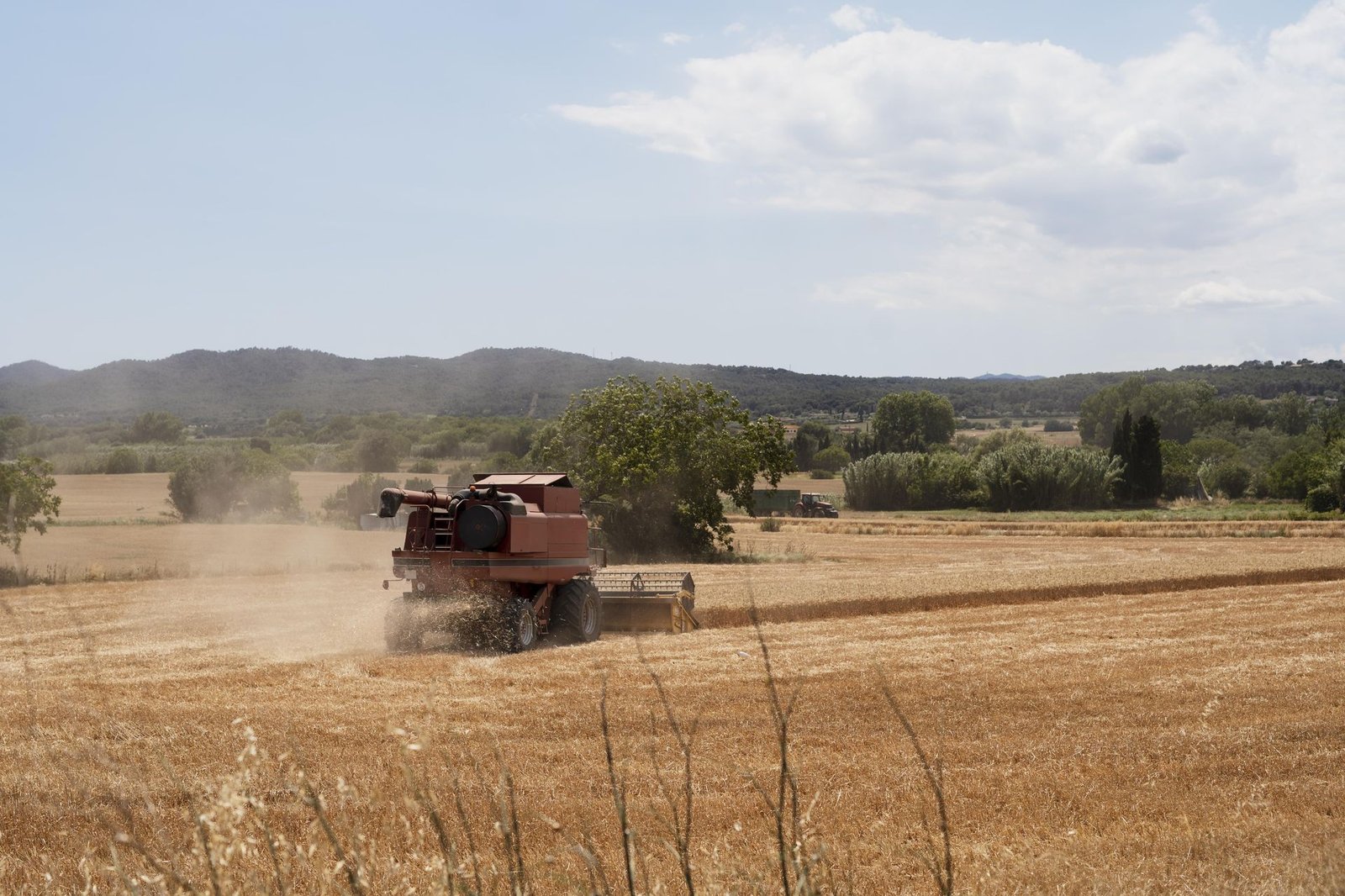
Why Gujarat Remains India’s Castor Oil Manufacturing Hub
From raw seed sourcing to modern crushing capacity, Gujarat’s castor ecosystem gives buyers reliable supply and consistent quality.
Read article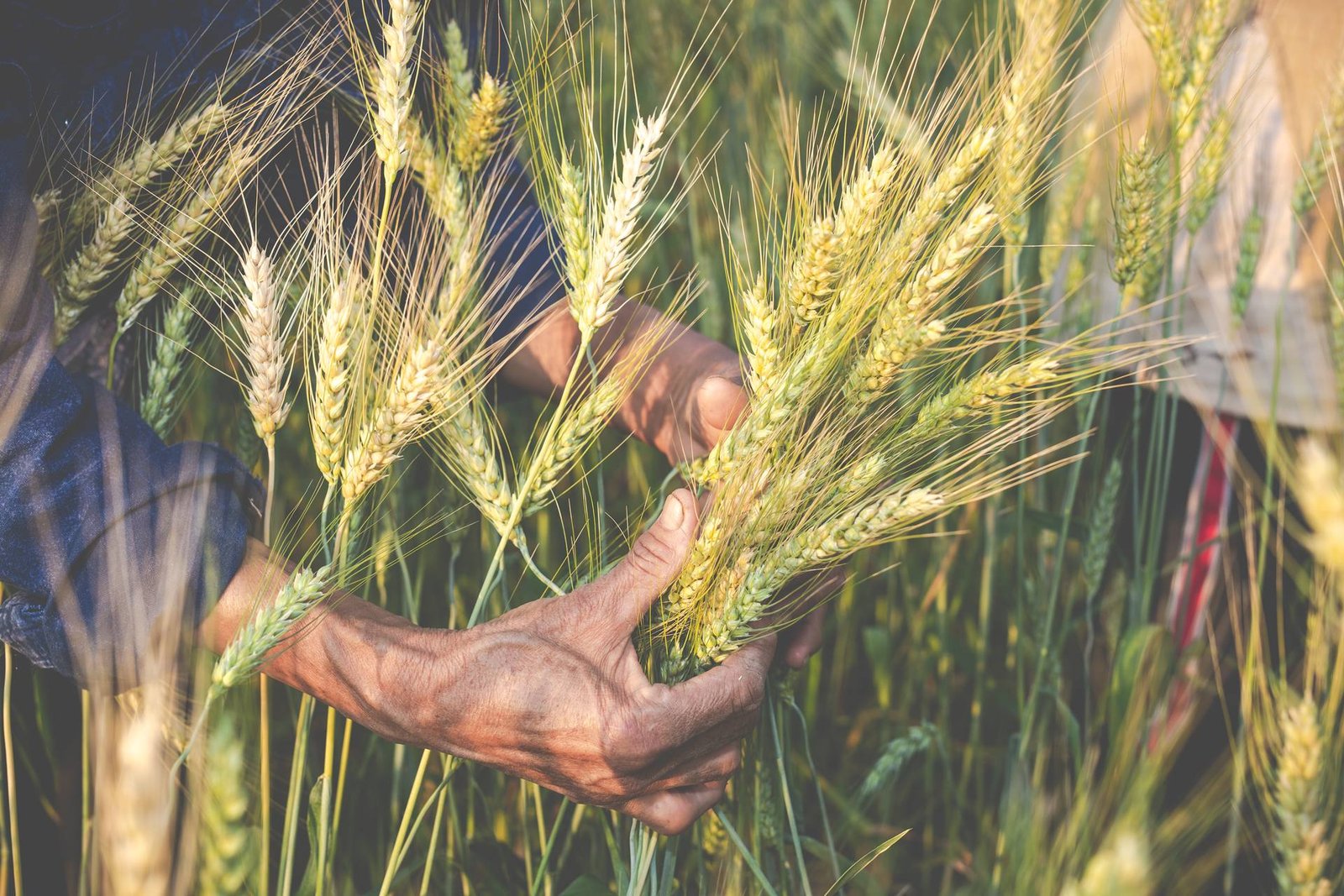
Farm to Derivative: Building a Connected Agri Value Chain
Trading alone is not enough. Connecting farmers, markets, processing, and end use creates reliability across the castor and commodities pipeline.
Read article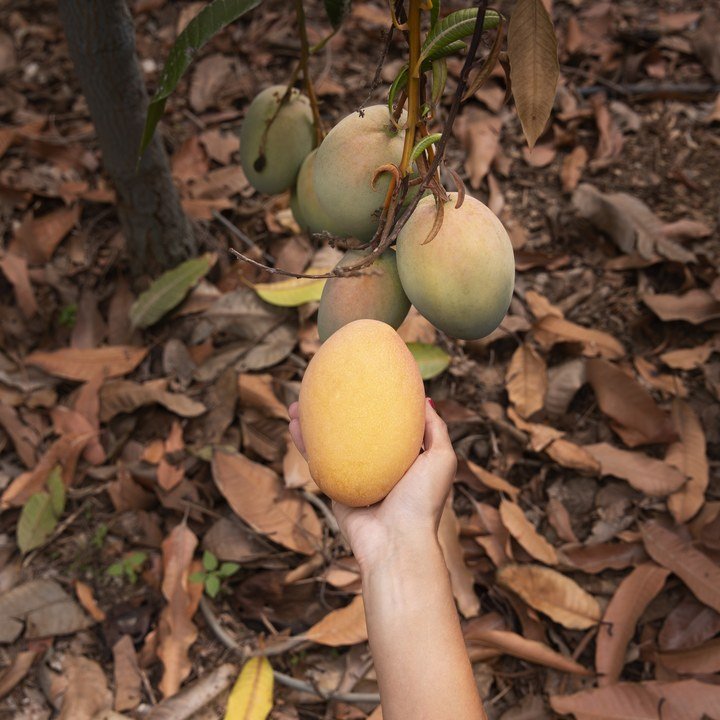
Kesar Mangoes: Premium Fruit Supply from Gujarat
Fresh, organic, Kesar, and organic Kesar mangoes give buyers a focused premium fruit line alongside broader produce trading.
Read article