
Sustainability
Sustainable Farming Practices That Support Reliable Trade
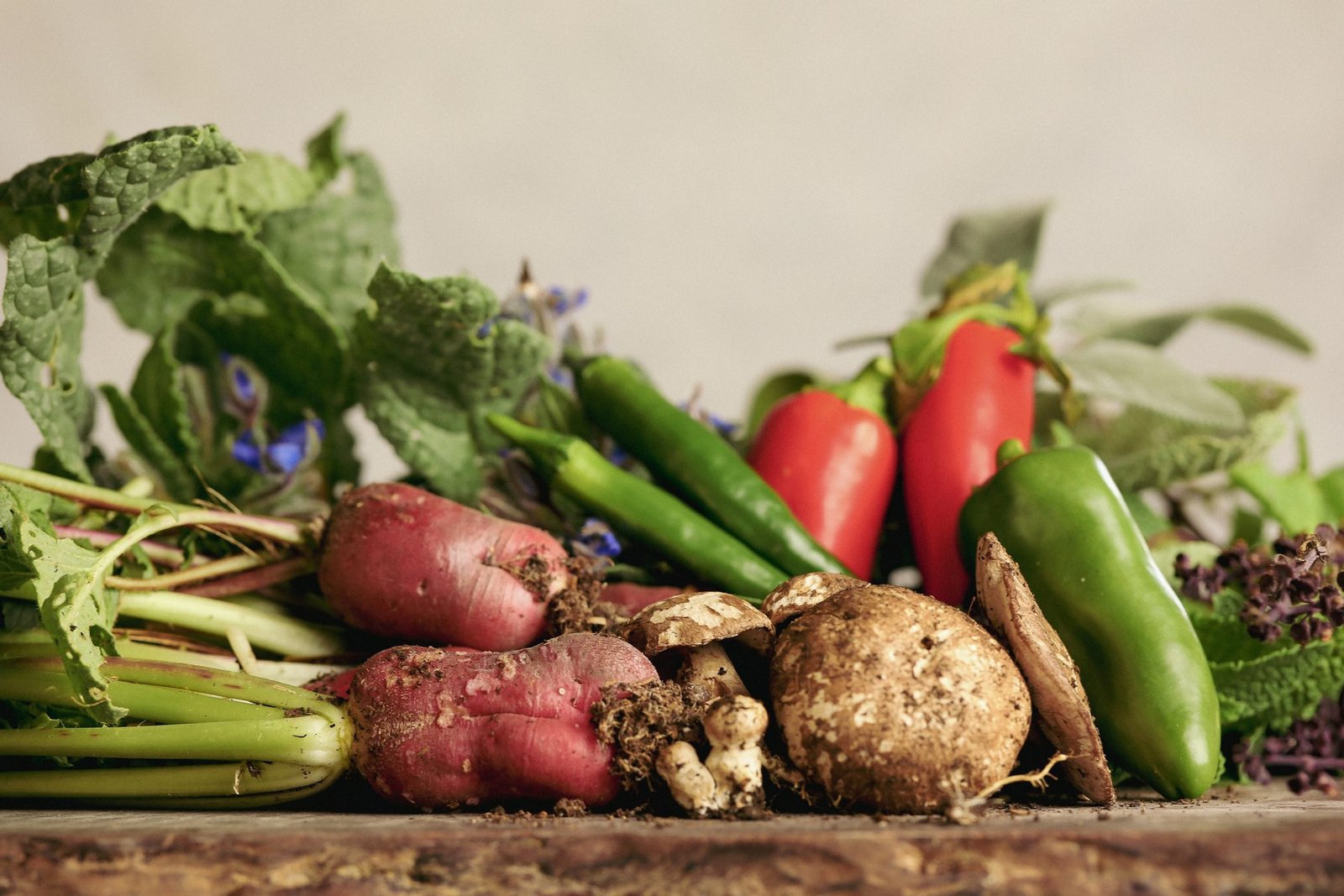
Sustainability in agri trade is often discussed as a distant ideal. On the ground, it is practical: healthier soils, smarter input use, better water awareness, and stronger post-harvest care. Those practices reduce waste, improve marketable quality, and make commercial supply more trustworthy over time.
For NURATRADE MULTIBIZ PRIVATE LIMITED, sustainability is linked directly to reliability. Better farm practices and efficient processing habits support the same outcome buyers want — consistent lots and fewer surprises — while strengthening long-term competitiveness for growers and partners.
Why sustainability improves trade outcomes
Unsustainable shortcuts can look cheap in a single season and expensive across many. Soil fatigue, excessive chemical dependence, and careless post-harvest handling create quality problems that show up later as rejection risk, price pressure, or unstable volumes.
By contrast, practices that protect soil health and crop resilience tend to support more stable marketable output. Buyers benefit because supply becomes less volatile. Growers benefit because quality and continuity can support better commercial relationships.
Organic and responsible farming as market readiness
Organic and responsible farming practices matter increasingly to buyers who specify cleaner supply chains. Whether the end market is domestic premium retail or export-oriented programmes, documentation and field discipline are becoming part of commercial eligibility.
Supporting growers with education and field-level guidance strengthens both productivity and compliance readiness. Practical agronomy — not slogans — is what turns sustainability into a workable supply advantage.
- Organic and sustainable farming practices where programmes require them
- Field education that improves day-to-day grower decisions
- Better post-harvest care to protect marketable quality
- Process efficiency that reduces avoidable loss after the farm gate
Sustainability beyond the farm
For castor and broader commodities, sustainability also includes what happens after harvest. Efficient processing, careful inventory handling, and logistics planning that avoids unnecessary movement all reduce waste. Capacity used well is more sustainable than capacity used chaotically.
Manufacturing discipline belongs in the sustainability conversation. Lower process loss, cleaner handling, and better packing integrity protect product that already consumed land, water, and labour to produce. That is responsible commerce as much as environmental care.
Building partner confidence
Buyers evaluating agri partners increasingly ask about more than price and volume. They ask how supply is produced, how quality is protected, and whether the supplier can support evolving expectations. Clear answers create confidence.
NURATRADE sees sustainability as part of long-term competitiveness. Partners who invest in better farm and process practices are better positioned for demanding domestic and international markets — and better prepared for relationships measured in seasons, not single transactions.
A practical next step
If your organisation is aligning procurement with responsible sourcing goals, start with clarity on requirements: organic versus conventional, documentation expectations, and quality windows. Early alignment helps the supply side respond with the right programmes.
We welcome conversations with partners who want Gujarat-rooted castor and agri supply supported by practical sustainability thinking — from field practices to processing discipline.
Looking for agricultural commodities, fresh produce or mango supply?
Keep reading
Related articles.
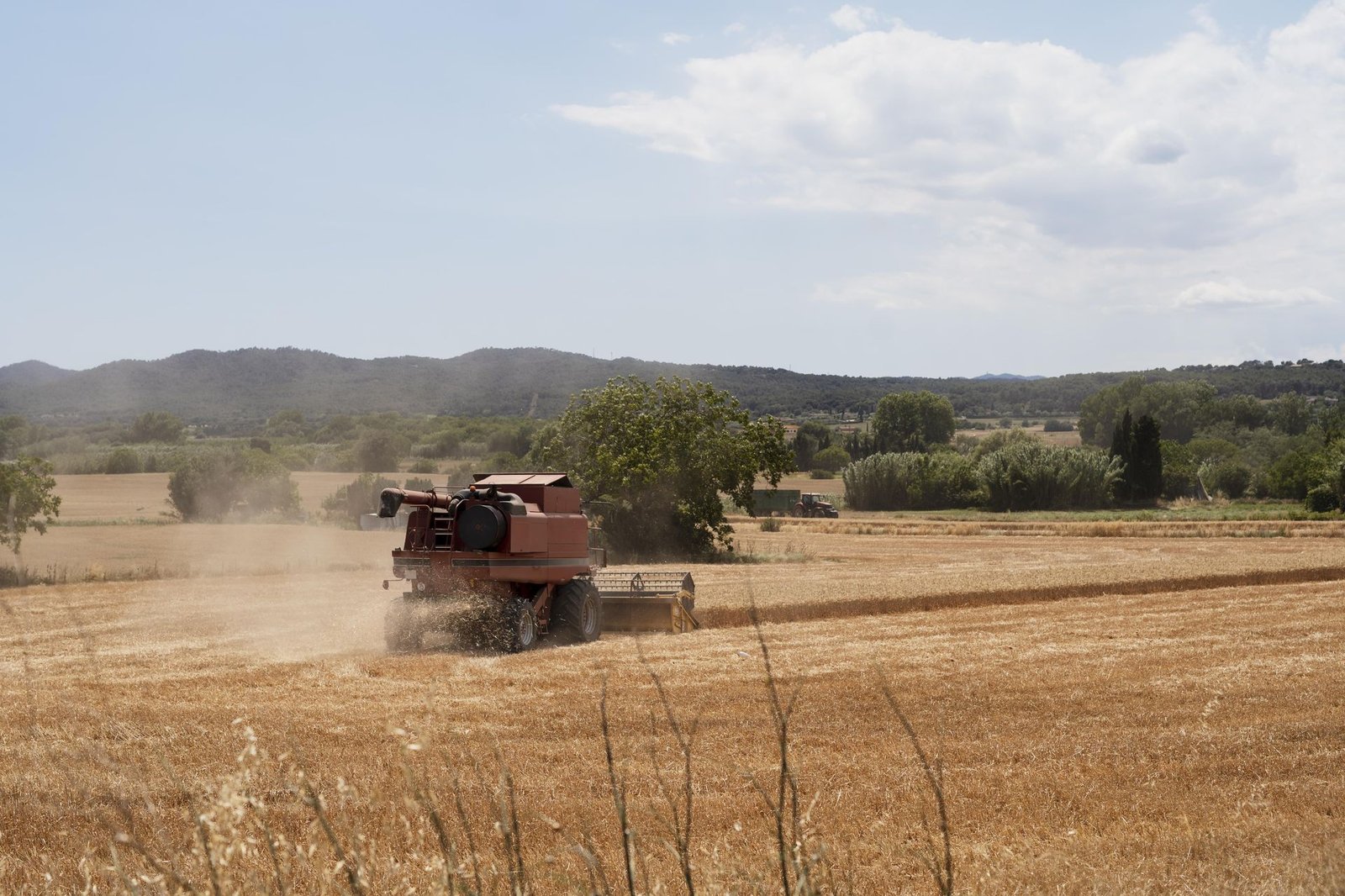
Why Gujarat Remains India’s Castor Oil Manufacturing Hub
From raw seed sourcing to modern crushing capacity, Gujarat’s castor ecosystem gives buyers reliable supply and consistent quality.
Read article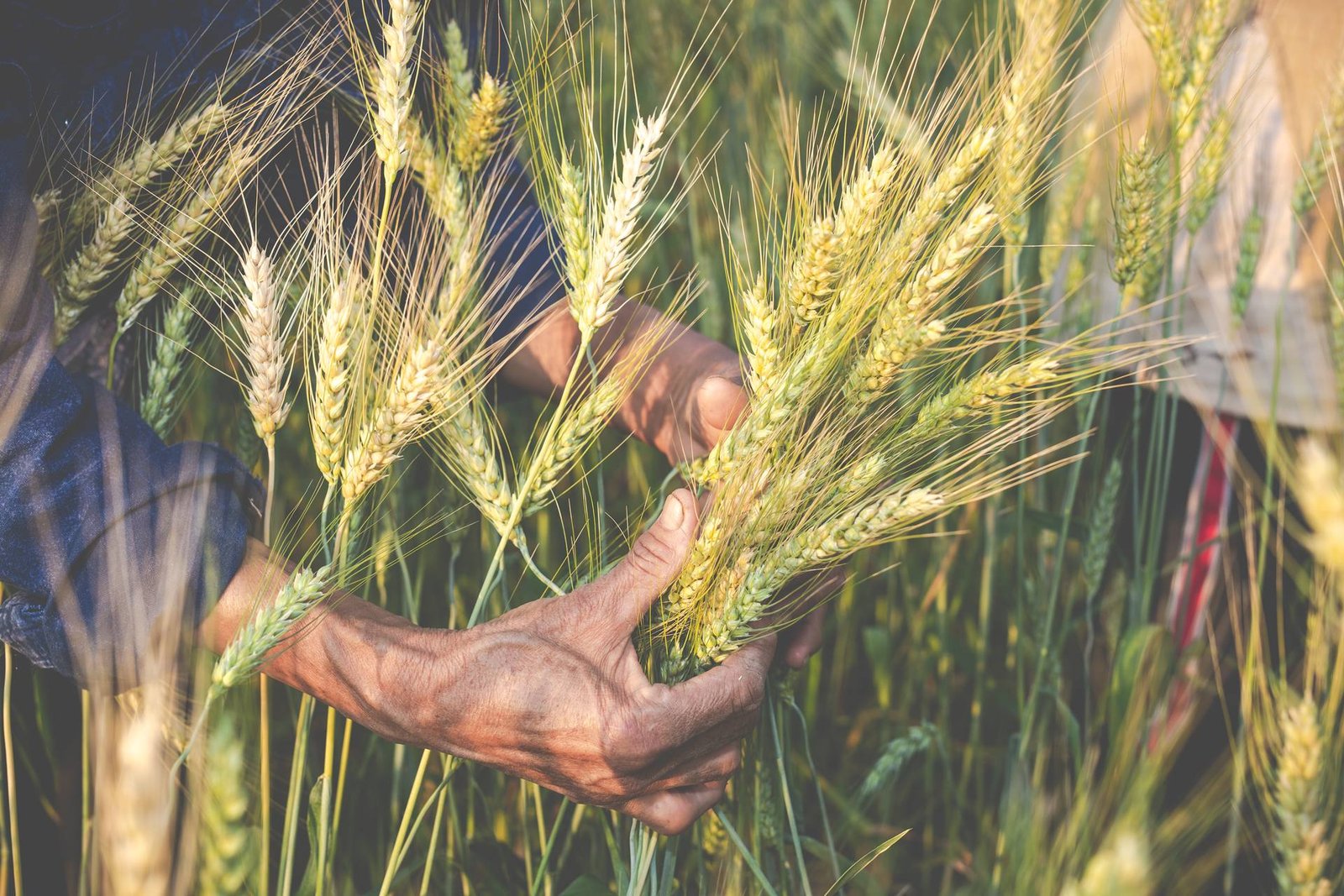
Farm to Derivative: Building a Connected Agri Value Chain
Trading alone is not enough. Connecting farmers, markets, processing, and end use creates reliability across the castor and commodities pipeline.
Read article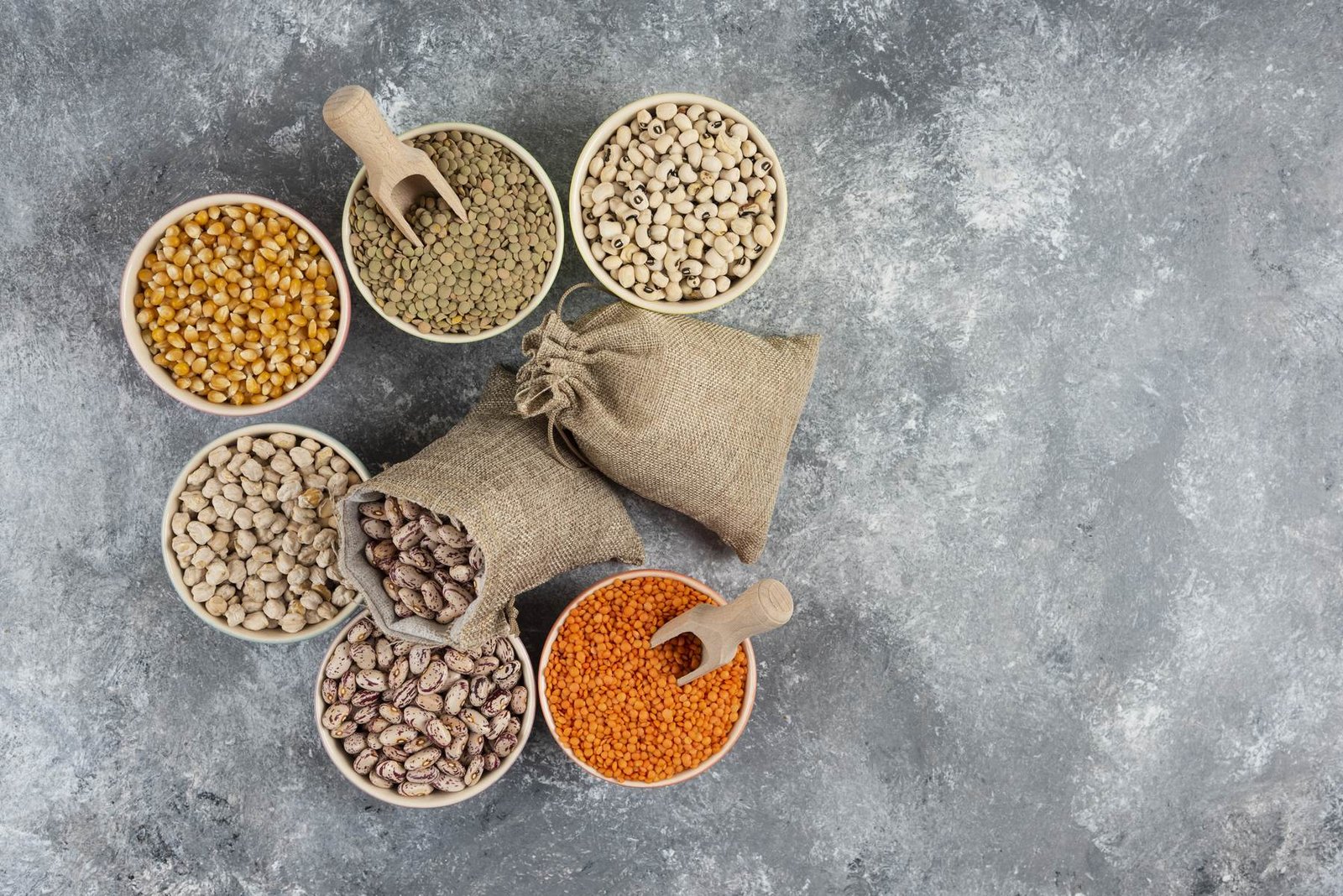
Quality Control Essentials in Castor Processing
Seed grade, process discipline, and documentation are the three pillars that keep castor oil and cake export-ready.
Read article